The bluesign Impact: Reducing the Footprint of Textiles
At bluesign, our mission is to transform the textile industry into one that protects both people and the planet. We work across the entire value chain — from chemical suppliers to manufacturers to global brands — to reduce environmental impact at the source.
Measuring Real Impact
At bluesign, we believe in proof, not promises. Every year we compile data from our System Partners to measure real progress across emissions, water, energy, chemicals, and waste.
Our latest Impact Report showcases how manufacturers, chemical suppliers, brands, and retailers in the bluesign system are driving measurable improvements — creating safer, more responsible textiles while reducing their environmental footprint.
Explore methods, examples, and data in our latest bluesign Impact Report.



bluesign Textile Manufacturing System Partner companies' Environmental Performance in 2024 compared to 2019
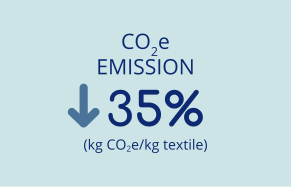
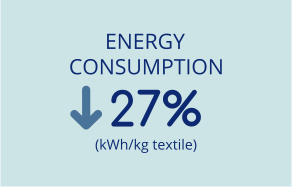
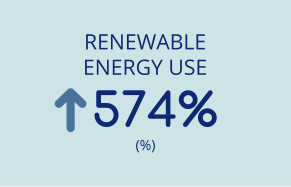
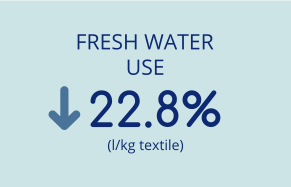
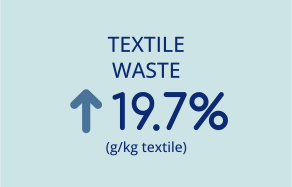
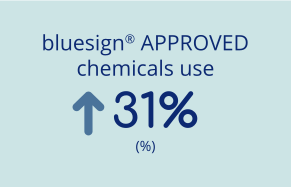
Data based on plausible datasets received each year from Textile Manufacturing System Partner companies, covering over 80% of reporting companies.
Carbon emissions
Responsible for up to 8% of global GHG emissions, projected to rise 55% by 2030 without action.
Chemicals
Of 2,450 textile-related substances reviewed, 5% pose risks of global spread, bioaccumulation, and serious health impacts such as cancer.
Water use
More than 4% of global freshwater withdrawals are linked to textile production.
Waste & recycling
Only 1% of textiles are recycled into new clothing, leaving enormous potential for circular solutions.
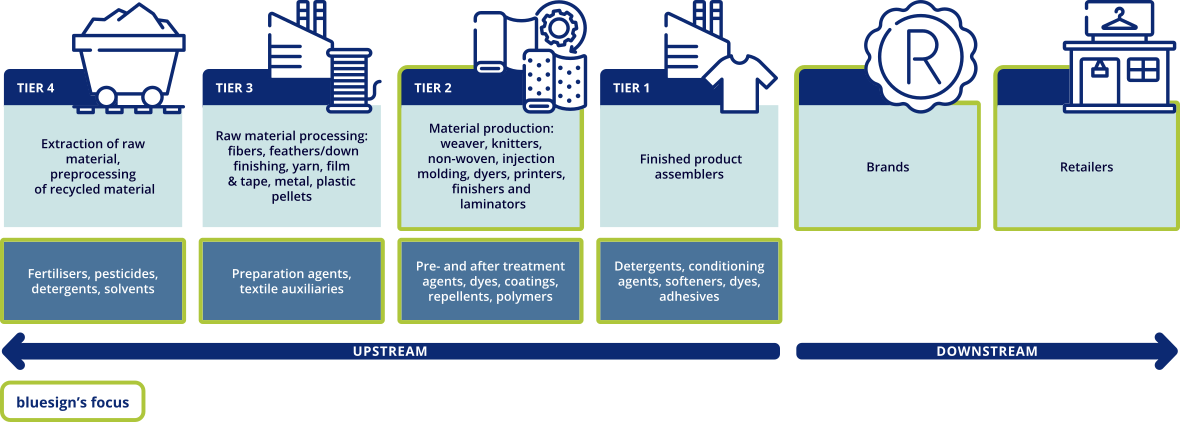
bluesign focuses on the most resource- and chemical-intensive stages of the textile supply chain:

What Our Partners Say
Real impact is only possible through collaboration. Our partners share how bluesign helps them meet sustainability goals and strengthen supply chain responsibility:
Patagonia
Working with bluesign since 2000 has strengthened our ability to manage environmental and chemical impacts across our supply chain. Bluesign Approved materials give us confidence that they meet our own rigorous standards while conserving resources and minimizing impacts on people and the planet.

Mammut
Our partnership with bluesign has taken our chemical management to the next level, embedding responsibility deeper into our supply chain. Today, more than 65% of our apparel fabrics are bluesign® PRODUCT approved, reflecting years of collaboration and shared commitment.

Looking Ahead
“Reducing environmental impacts at the source — by managing materials and chemicals at the earliest stages of textile production — has always been the cornerstone of bluesign. In an uncertain global landscape, the urgency of the environmental crisis remains unchanged. With more than two decades of expertise, we will continue supporting our system partners and welcoming new ones who share our commitment to a safer, more sustainable industry.”